

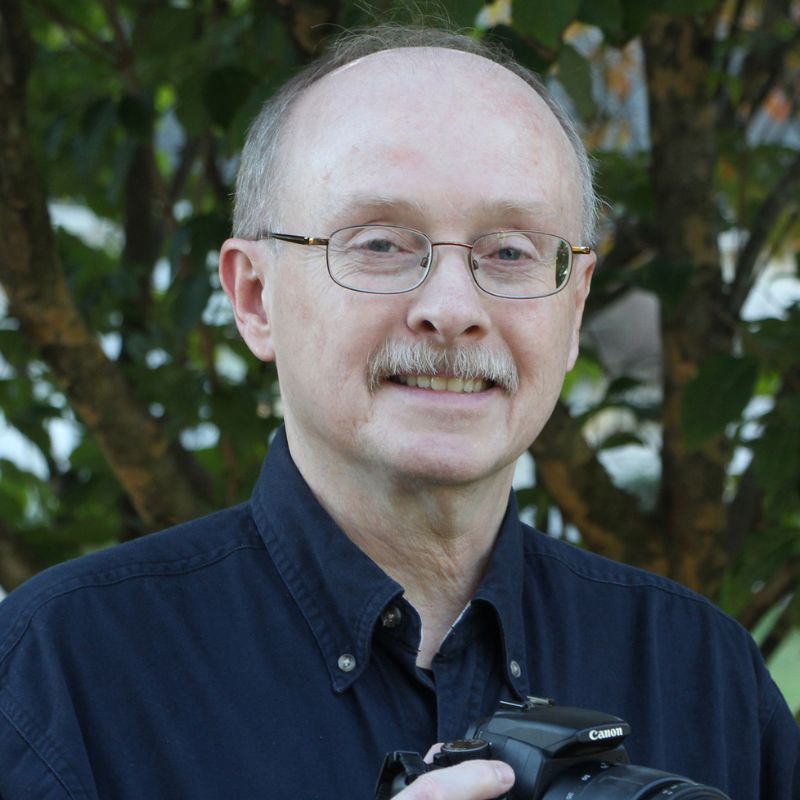
Don James
Emerging
Visual Arts: Photography
Milton
"The architect creates a finished work but also provides the raw material for my own [photographic] expression."
Work Samples
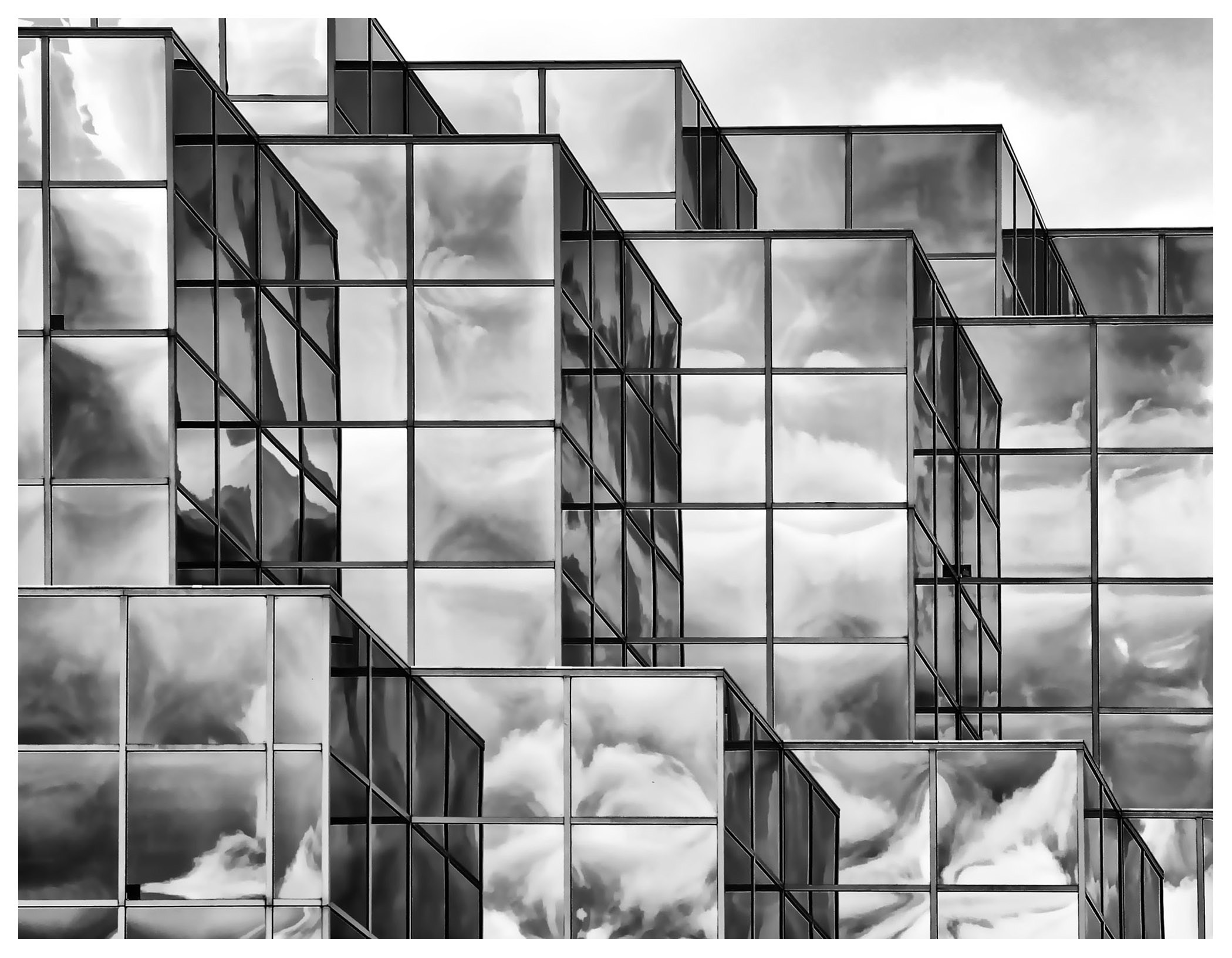
photography
11 x 14 inches
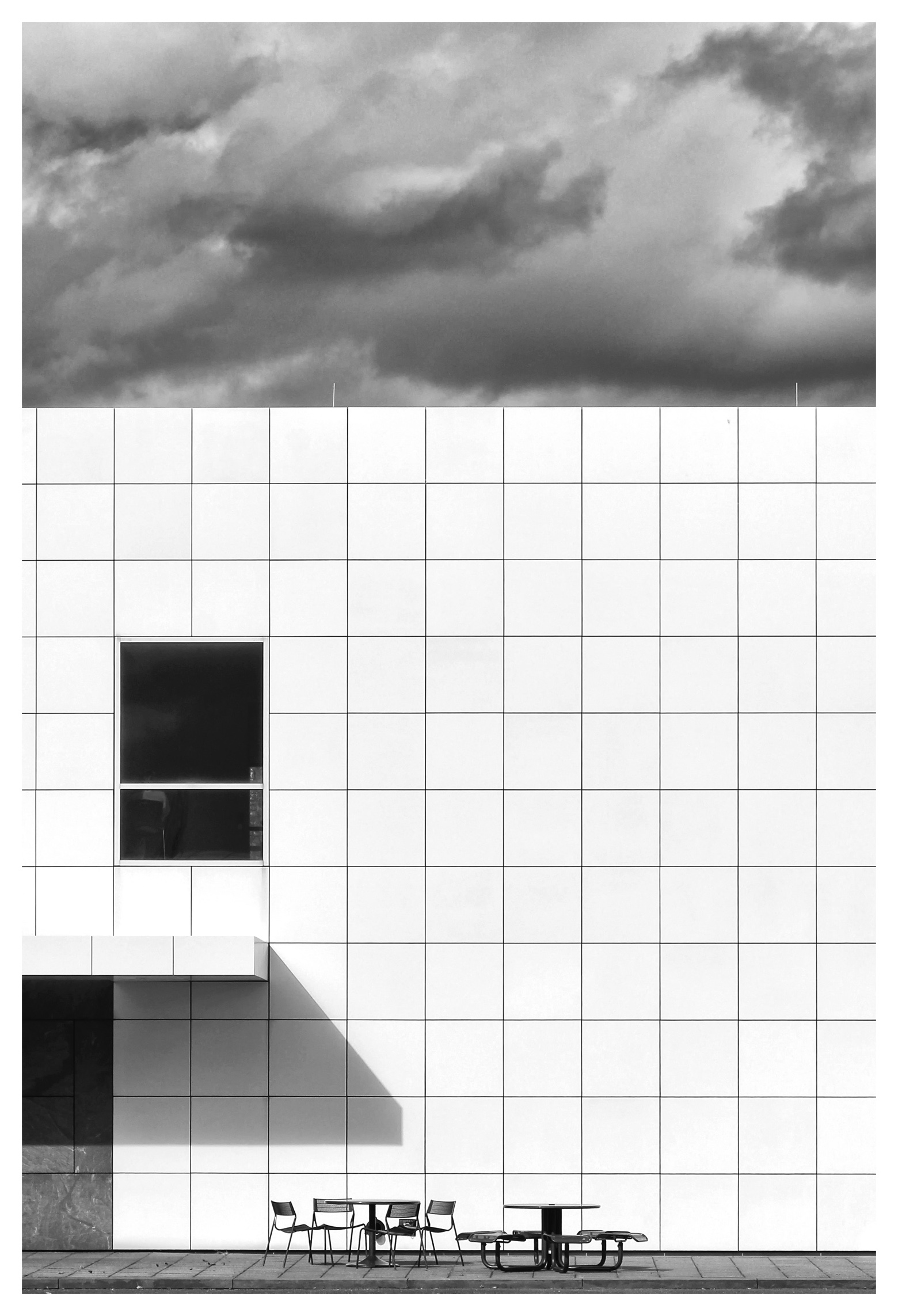
photography
16 x 11 inches
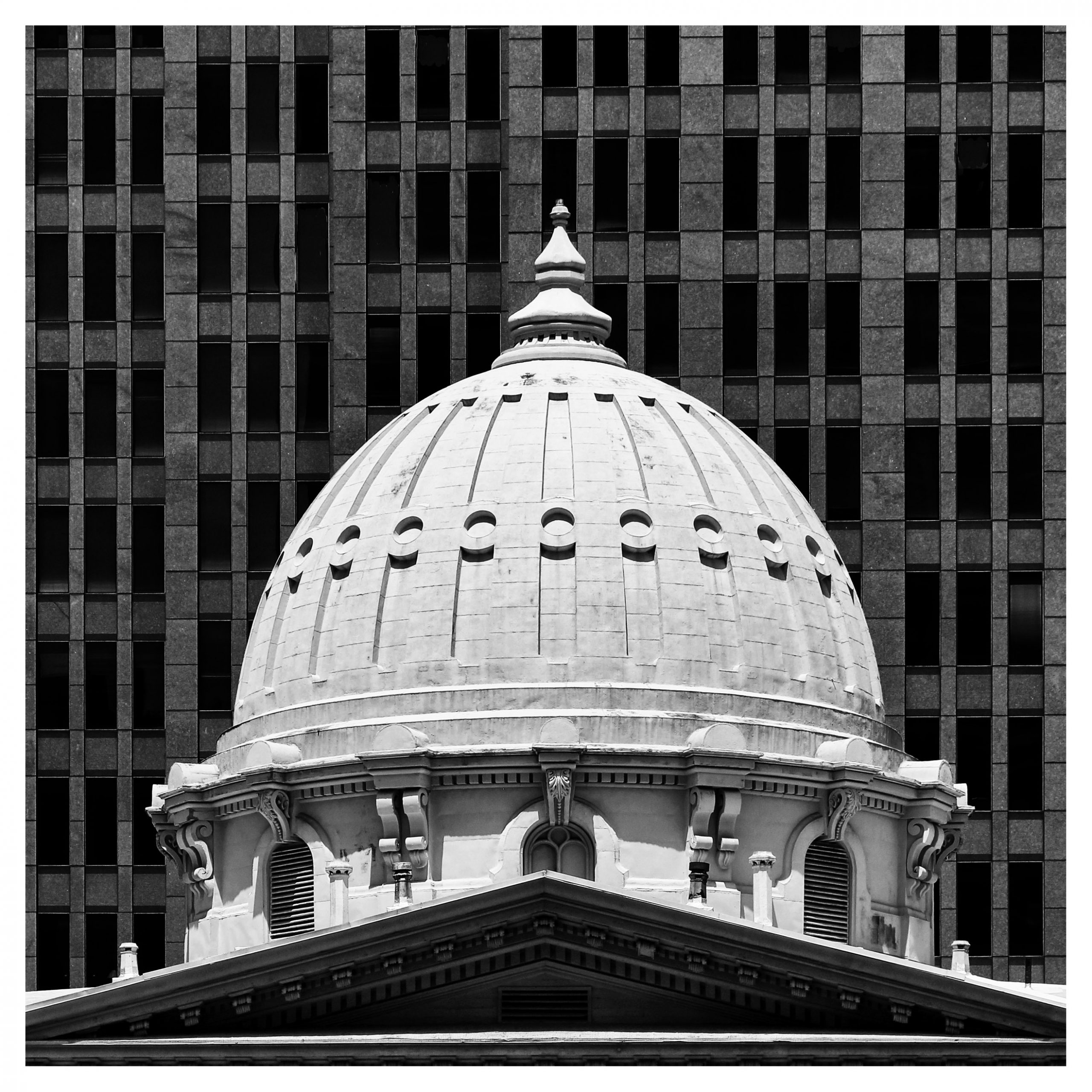
photography
12 x 12 inches
About the Author
Written by Gail Obenreder
Though he works to distill the essence of urban buildings, photographer Don James insists that “I am not a city person.” James doesn’t appreciate the intensity of the traffic, crowds, or noise, but he “can’t resist wandering city streets… to study a world full of the orderly structures, reflections, and interplay of light and shadow” that are the keystones of his work.
James began his fascination with photography while in college. He began by working for the yearbook staff, which gave him the opportunity to shoot a wide variety of subjects, including “the campus landscape, student life, and sporting events.” But the works for which he’s received the Division’s Fellowship – and which continue to resonate powerfully – are the buildings.
Surrounding himself with “architectural history, evolution, and revolution,” James finds that each of his architectural subjects “has its own personality,” something he works to capture in his images. He sees a building as “a musical composition that I am allowed to perform, creating my own arrangement and interpretation of the work.” But regardless of his photographic point of view, James always seeks to retain the identity of his subject while presenting it “in an original way that would hopefully surprise the designer.”
He uses the time of day or year and the weather to “deliver light to the greatest effect,” and though his images are digital, James uses only the post-processing manipulations (like cropping or contrast adjustment) that would be performed in making a traditional darkroom print. “It is important to me to create an honest representation of the architect’s work.
Born and raised in Scranton, Pennsylvania, James attended Cornell and earned a degree in engineering. He moved to Maryland after graduation, where he lived and worked for over forty years. Though his professional career was in information technology and engineering, he continued to pursue photography as a hobby. But about 15 years ago, James began to devote more time to his art, and at the urging of his family, he began to exhibit, and with immediate success. He has since been featured in several solo and small group shows and dozens of juried exhibitions.
The Milton resident, who moved to Delaware four years ago, was initially inspired by the black-and-white photographs of Ansel Adams. But he also found himself drawn to the sports images of Neil Leifer, seeing how each artist “captured dramatic scenes” in a unique way. His greatest challenge is to go beyond merely photographing the object, always seeking to create “a strong image.” In his work, James especially enjoys “showing viewers familiar things that are unique, unexpected, and sometimes disorienting.”
James has never had formal art training, which he sees as both “an advantage and a disadvantage.” He’s been able to develop his vision at a personal pace but feels the lack of “a type of network that a professional artist starts to build” in their early career. He sees the Division’s Fellowship as an opportunity to learn more about other photographic processes and to expand his circle of colleagues and contacts, meeting and exhibiting with other Fellowship recipients to expand his artistic circle.