

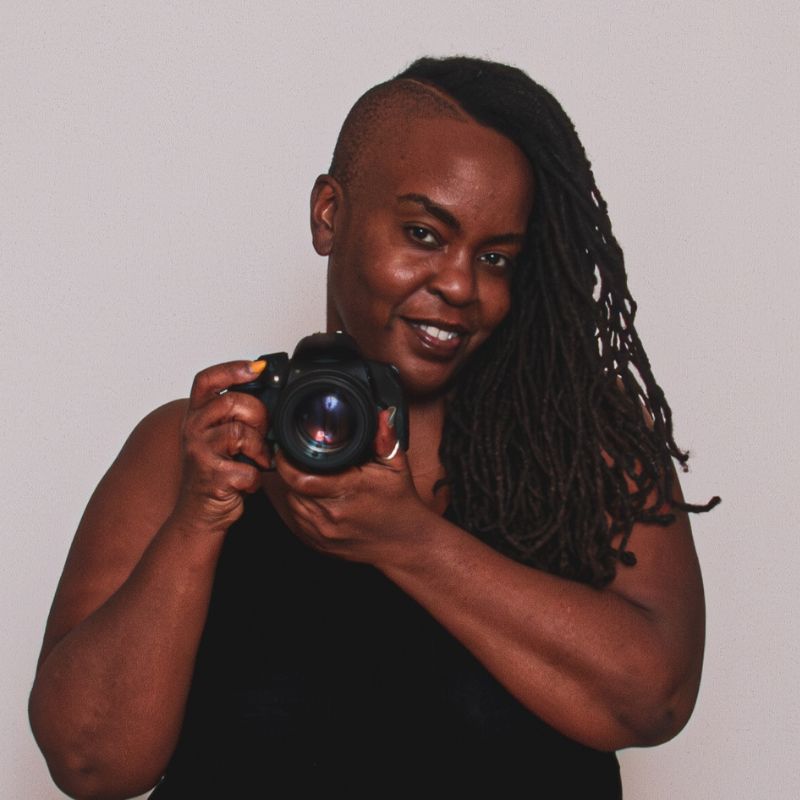
Shannon Woodloe
Established
Visual Arts: Photography
Wilmington
"My greatest reward is when I can see the bigger picture, present it clearly, and create a wordless dialogue with my audience."
Work Samples
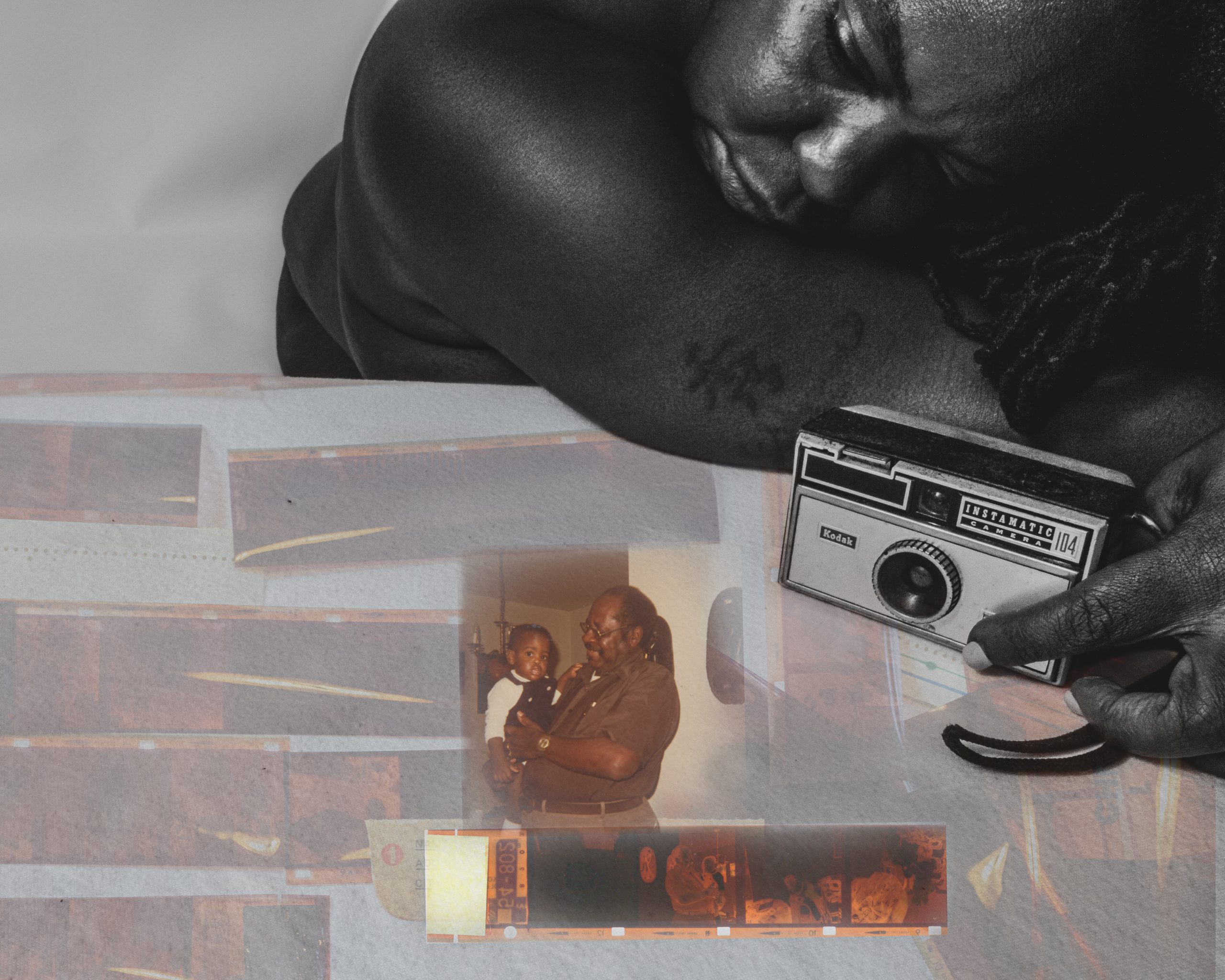
digital photography
16 x 20 inches
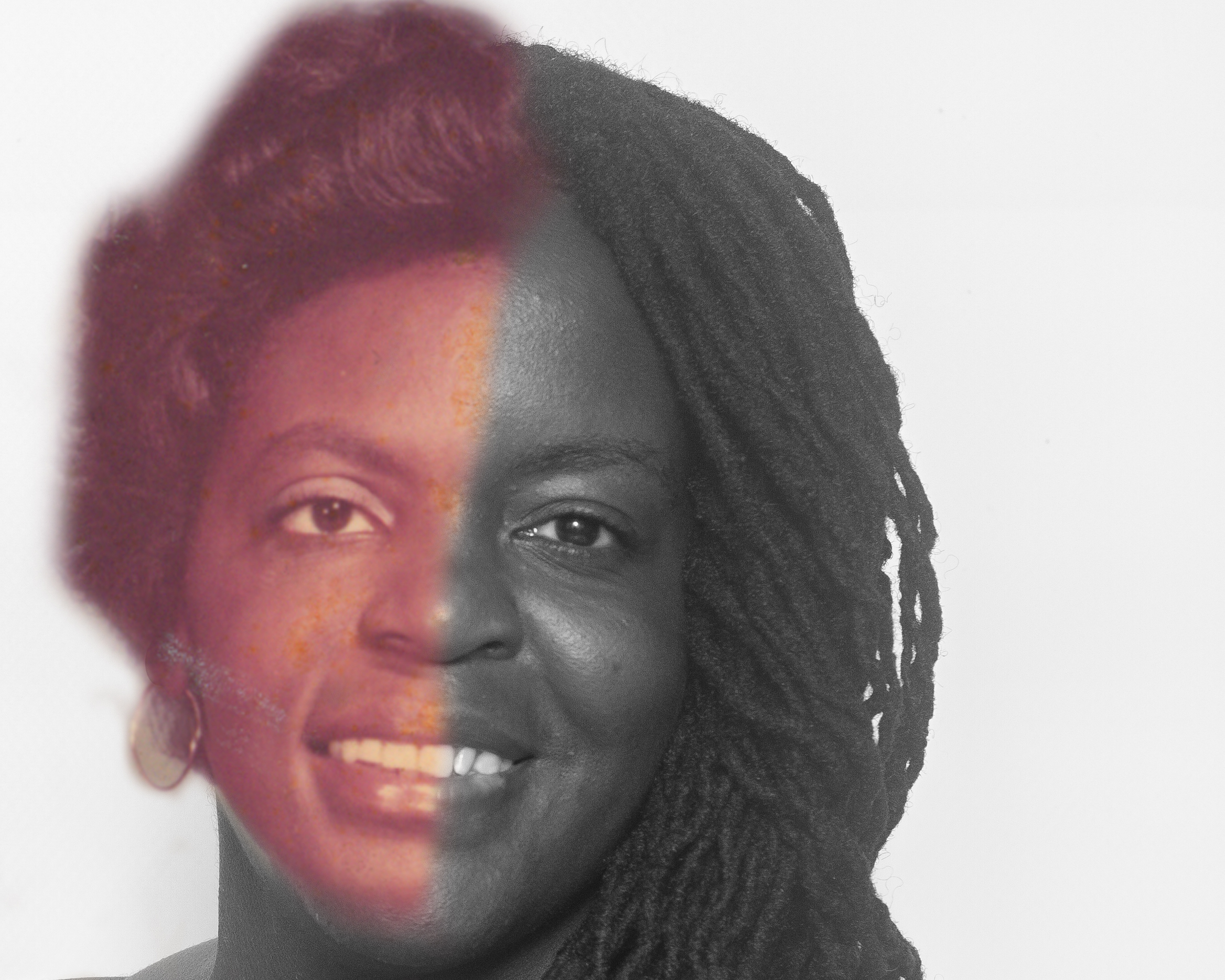
digital photography
16 x 20 inches
About the Artist
Written by Gail Obenreder
Photographer Shannon Woodloe has always been drawn to observing the world around her, studying it in detail. Growing up, photography was integral to “shaping how I saw and understood my surroundings.” Her late mother always had a camera, and as soon as she was old enough Woodloe had one, too.
Woodloe grew up in North Wilmington, the only child of a single parent. After her mother’s death, she inherited many of her personal items and, as she “meticulously sifted through” those possessions, Woodloe sought to piece together “who she was and who I was to her, hoping to find clarity.”
Her mother also left a trove of family photos and film negatives, some dating back to several generations, that “embedded a deep appreciation for photography as a storytelling tool.” But Woodloe’s current project is an exploration not of just her family’s images but of herself and her personal history. Spanning a year and a half, it has required “spending time with myself and reconnecting with who I am.”
Titled Holding Space, her multipart oeuvre has interconnected themes, and the collection that earned the Division’s Fellowship is focused on Negative Space. Technically, in photography the term emphasizes the space surrounding a subject. But for this self-portrait project, the term also represents several other things to Woodloe – the “negative mental space” that she employs in portraits of herself; the experience of being before a camera; and “the negative or empty spaces in my memory of my past… and how the loss of my mother created significant gaps in my personal history.”
Woodloe’s early artistic influences were the riveting photographs of Gordon Parks and Carrie Mae Weems, black creatives whose work continues to provide her with inspiration. A self-taught photographer, her formal artistic training was through classes at the Barnes Foundation in the Barnes-deMazia program. This program introduced her to the value of extended viewing, where “deeper engagement with a piece reveals more,” and it was influential in developing her photographic composition.
Until recently, Woodloe’s work focused externally, “inspired by themes shaped by others’ writing,” seeking to document without misinterpretation. Now, as she works more deeply in self-portraiture, there are the new, self-imposed challenges of exploring her identity “as a private, introverted person” who has rarely before stepped in front of the camera. Woodloe’s great reward is when she is able to “tell complete, nuanced stories through my compositions.”
The Wilmington resident – herself a single mother – has two daughters, and she finds that because of them, her passion for the arts extends beyond her own work and influences her personal life. When not holding a camera, Woodloe often listens to music and loves to read (usually several books at a time) by contemporary authors like Audre Lorde, Alice Walker, Paulo Coehlo, and Imani Perry. And not surprisingly for someone so deeply exploring narrative in her work, she is the Manager of Marketing Digital Storytelling at the Delaware Art Museum.
Woodloe received a previous Division Fellowship in 2019, and she plans to use her current award to invest in the equipment like off-camera triggers and new lenses that her self-portraiture series requires. She also plans to further develop Holding Spaces, “expanding it to explore other aspects of my life and identity.”