

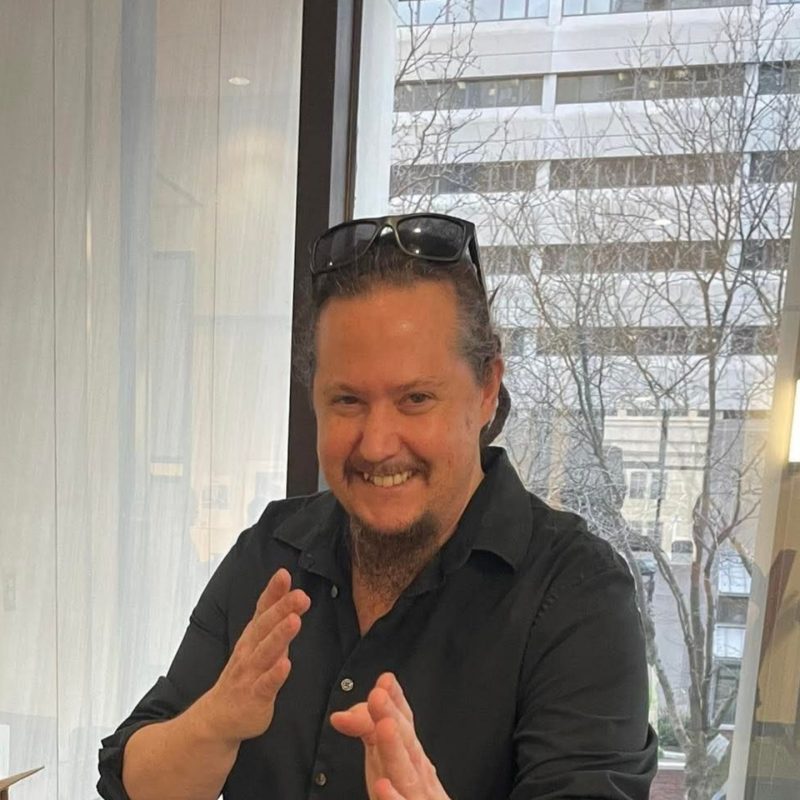
J.F. Arsenault
Emerging
Visual Arts: Painting
Rehoboth Beach
"My work… is an homage to narrative art, filtered through a personal lens that embraces both order and absurdity."
Work Samples
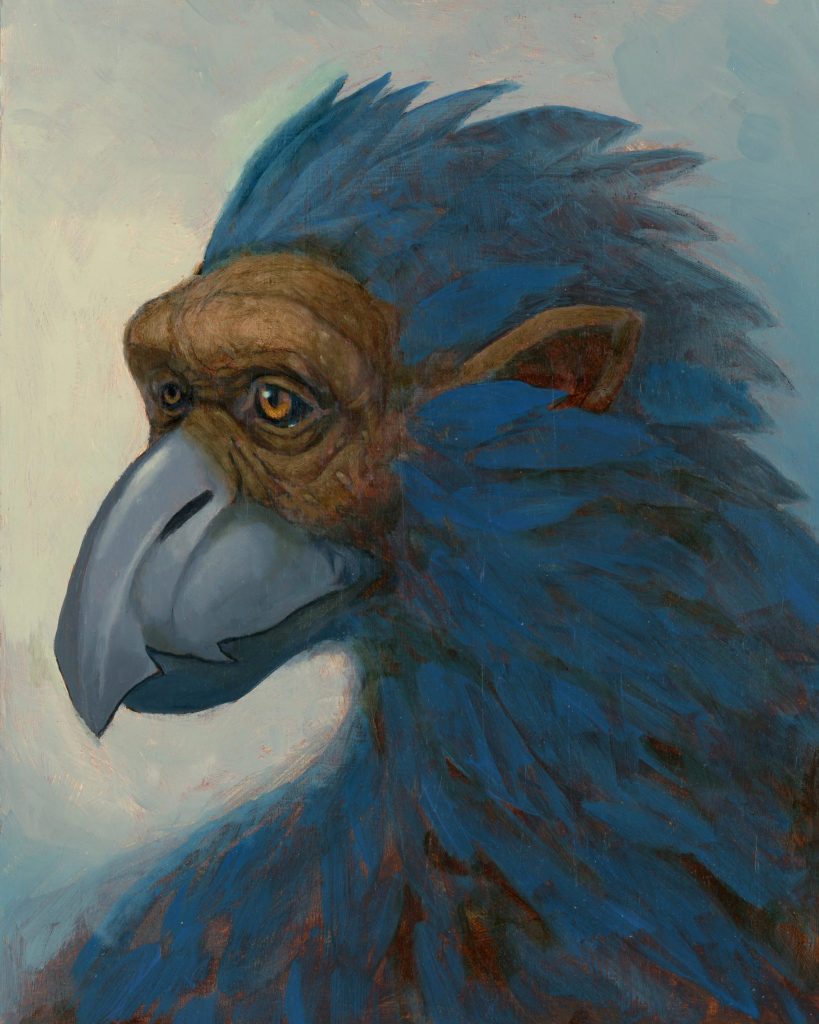
oil on canvas
14 x 11 x 1 inches
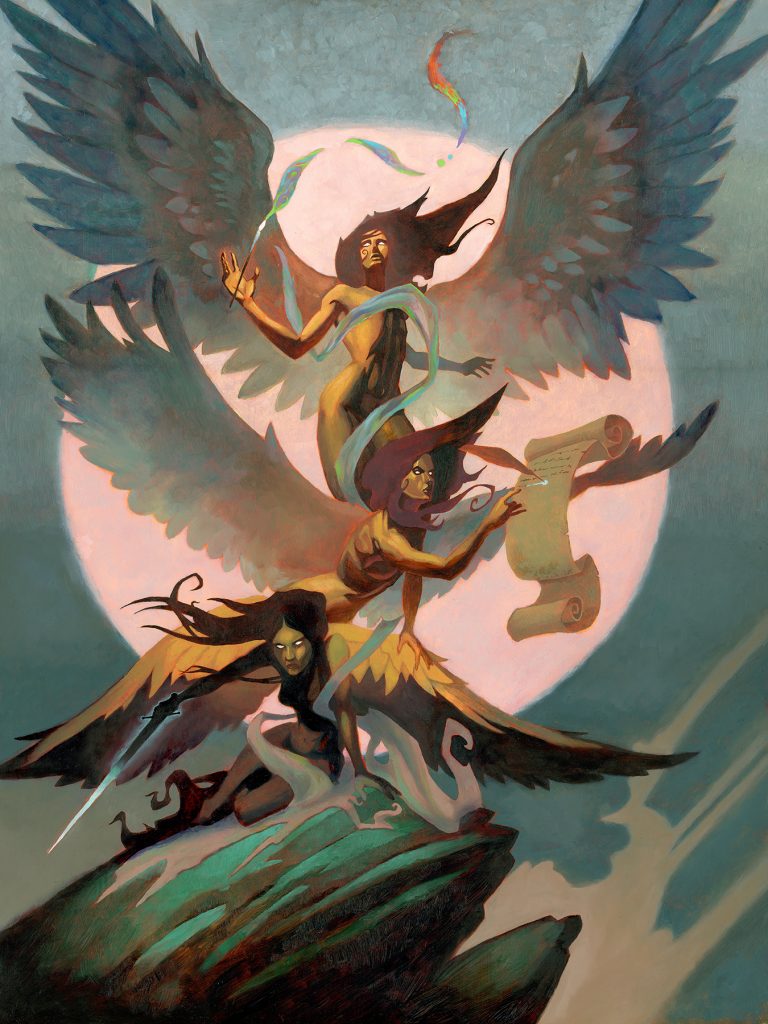
oil on canvas
25 x 18 x 1 inches
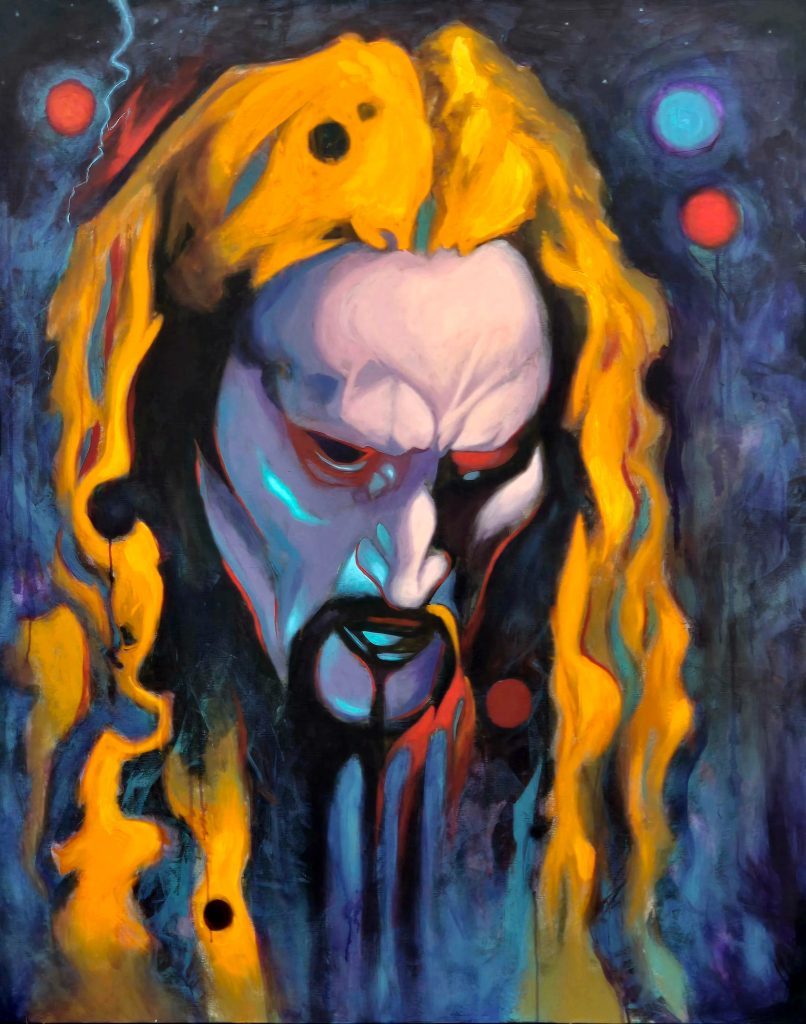
acrylic on canvas
60 x 48 x 3 inches
About the Artist
Written by Gail Obenreder
Visual artist J.F. Arsenault roots his striking paintings in storytelling, “drawing from myth, legend, and history to create images that evoke curiosity and wonder.” His current body of work is titled Myth, Muse, and Monster (and Other Nonsensical Oddities), and – as in all his practice – they are a blend of classical techniques with “intuitive choices that evolve as each piece develops.”
With their exacting draftsmanship, tonal structure and layered oils, some of Arsenault’s works are carefully planned, while others “grow wild and take on a life of their own.” It’s this unpredictability in the creative process that keeps his works alive for artist and viewer alike. He draws consistently on the visual narratives of early American illustrators, first enchanted and then inspired by his earliest artistic influence, Brandywine artist Howard Pyle’s The Adventures of Robin Hood.
Arsenault, a First State native and lifelong resident of Rehoboth Beach, has been drawing “for as long as I remember.” The woods, beaches, and landscapes of southern Delaware “set my imagination into fantasy worlds when I was a kid.” He later attended the Art Institute of Philadelphia, majoring in graphic design, and subsequently graduated from the Art Institute of Fort Lauderdale (Florida). Arsenault began working in the design industry there and then spent eight years as a graphic designer in Los Angeles, where he also studied at the Los Angeles Academy of Figurative Art.
Though he’s worked for much of his adult life in graphic design, Arsenault continued to draw and paint privately. In 2020, an online illustration course during the pandemic “reignited something essential.” He began to pursue “classical training, mentorships, exhibitions, and independent study with a renewed seriousness,” finding that “what began as a childhood instinct became a deliberate practice.”
Still deeply inspired by the works of Pyle and Frank Schoonover, Arsenault finds that being steeped in the traditions of the Brandywine school “continues to feel like home to me,” and he especially values their storytelling prowess, sense of design, and the seriousness of their narrative works. But he also cites the inspiration of other artists he’s long admired – Mark English, Gary Kelley, Mike Mignola, Edmund Dulac, James Gurney, and Sterling Hundley – and mentors who “continue to push me toward stronger draftsmanship and clearer storytelling.”
Arsenault is still drawn to his lifelong fascination with myth and symbolism, and it’s here that the painter finds one of his major challenges. Seeking to “balance clarity with mystery,” he works to “find the line where the story is strong, but the meaning can stay more open.” But it’s rewarding when his work connects with a viewer and the narrative that he’s created allows them to “begin to see their own story in it,” indicating that “the image is alive beyond me.”
Outside the studio, Arsenault teaches karate and has trained in the martial arts for several decades. He finds that their structure and discipline enhance his artistic practice, since both “require patience, repetition, and a Zen-like flow state.”
The Division’s Fellowship is a meaningful recognition of his work from his home state and the community that has shaped his artistry. Arsenault plans to use the award to expand his current body of work, investing more time and resources into increasingly ambitious paintings and bigger themes as he refines his craft. And he’s grateful to be “making art here in the same state whose history and artistic traditions first inspired me.”