

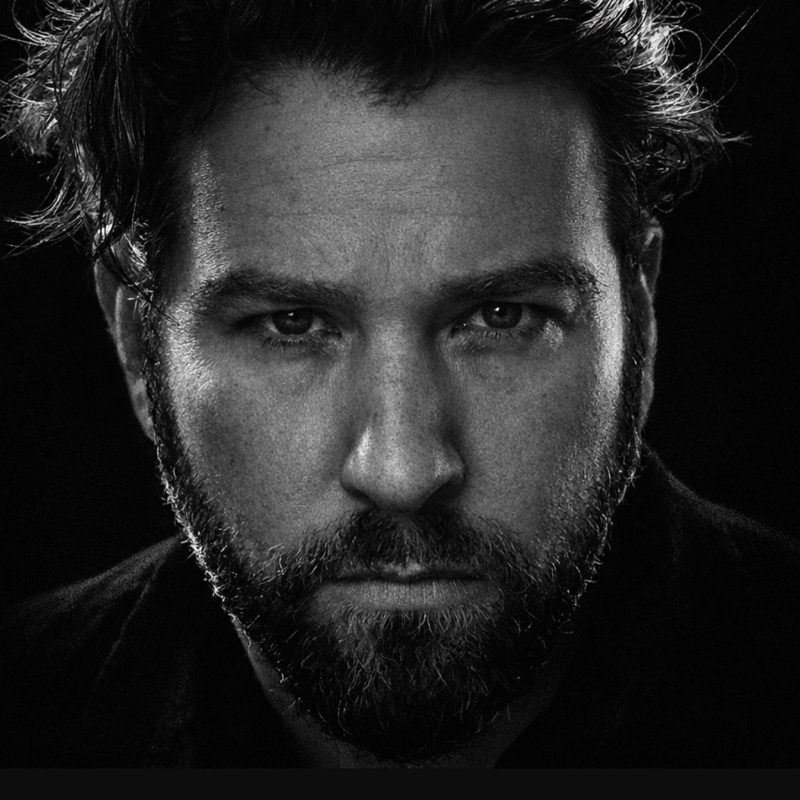
Brian Wild
Established
Media Arts: Video/Film
Wilmington
"Whether working in narrative film or experimental media, I chase the same spark: what it feels like to be human in a world that keeps getting weirder."
Work Samples
Length of full work: 1 minute 54 seconds
Role in creation: Producer, Director, Editor, Writer
Length of full work: 3 minutes 17 seconds
Role in creation: Producer, Director, Editor
About the Artist
Written by Gail Obenreder
Independent filmmaker Brian Wild came of age during a time “when storytelling was everywhere.” His imagination and visual language were shaped by what he saw on cable TV, in Saturday morning cartoons, and in the pages of comic books. Long before he understood that filmmaking could be a profession, Wild was captivated by both the stories he saw and by the “lighting, framing, and atmosphere” and often spent “entire days writing, performing, and shooting” films with his friends.
A native Delawarean, Wild briefly explored opportunities elsewhere, but his creative life has remained rooted in The First State. He grew up in a small family, and his “real artistic upbringing began at nineteen” when he found his “true community” in Wilmington. Its cadre of actors, musicians, writers, “self-proclaimed bards … bohemians and daydreamers, painters and punks” shaped Wild’s world view. This independent art scene became his classroom, and being mentored by that community taught Wild that “a belief in art doesn’t need permission – it needs passion and persistence.”
Wild’s background in theatrical scenic painting and carpentry, zine illustration, and design grounds his filmmaking. He first made “raw, chaotic shorts;” his recent work is “more polished but still punk-spirited.” His work is defined by a “balance of humor and unease – laughing one moment, unsettled the next,” and he gravitates toward “underdog narratives and DIY aesthetics.” He’s also fond of mixing genres, “folding horror into heartfelt drama” or using documentary elements in his fiction.
Most of all, Wild believes in “the power of story to connect,” creating emotionally charged, bold films with a unique cinematic point of view. Not surprisingly, his earliest influence was – and remains – Orson Welles. Wild was inspired by Welles’ “bold storytelling and intellectual rigor,” emulating his radio dramas by founding a performance troupe that “experimented with voice, atmosphere, and imagination.” Even today, Wild cites the continuing resonance of Welles’ “cinematography, lighting, staging, and authorship.”
An ongoing hurdle for filmmakers is acquiring financing, always a reality for Wild. But he finds that the other challenges in his work are also “the aspects I find most rewarding.” Believing that “filmmaking is won or lost in the preparation, [so] deeply invested in pre-production,” he approaches each film with a meticulous focus on detail, making comprehensive checklists, scripts, storyboards, and breakdowns, melding creativity with logistics. “Independent cinema is not always the easiest path,” and Wild sometimes questions the intensity and pace of this work. But “the rewards are profound;” the connections and shared experiences are invaluable; and the transformation from an idea to a finished film “never loses its power.”
When he’s not on location or in the studio, Wild is a family man who recharges with quiet time at home, playing video games or guitar, and (not surprisingly) watching movies. “Staying connected to simple pleasures reminds me why I create in the first place,” and he strives for balance between his creative ambitions and his family life.
Wild is “deeply committed to building and sustaining a vibrant independent film presence in Delaware,” and recognition from the state where he was born is “both an honor and a responsibility.” He plans to use the Division’s Fellowship to expand his practice by investing in new production gear, traveling to out-of-state festivals, and expanding collaborative opportunities. Delaware has “shaped who I am as an artist, and I feel a responsibility to contribute to its cultural growth.”