

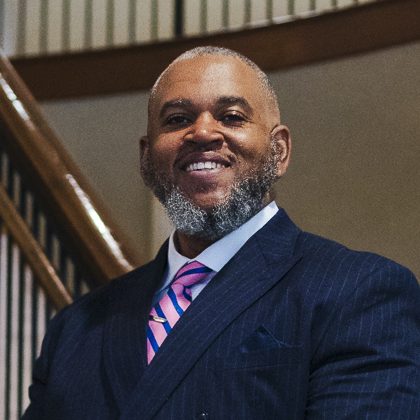
André Wright Jr.
Established
Visual Arts: Photography
Wilmington
"I don’t see photography as separate from life. It’s how I listen, how I learn, and how I contribute."
Work Samples
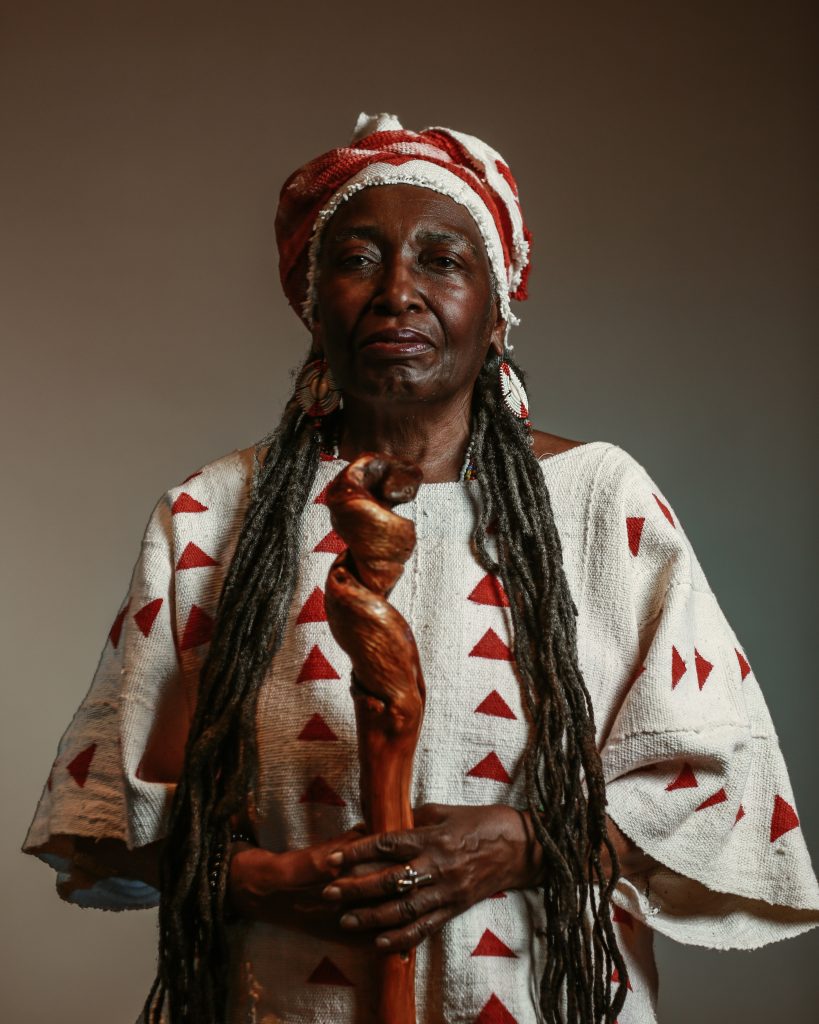
digital print
17 ⅝ x 13 ⅝ inches
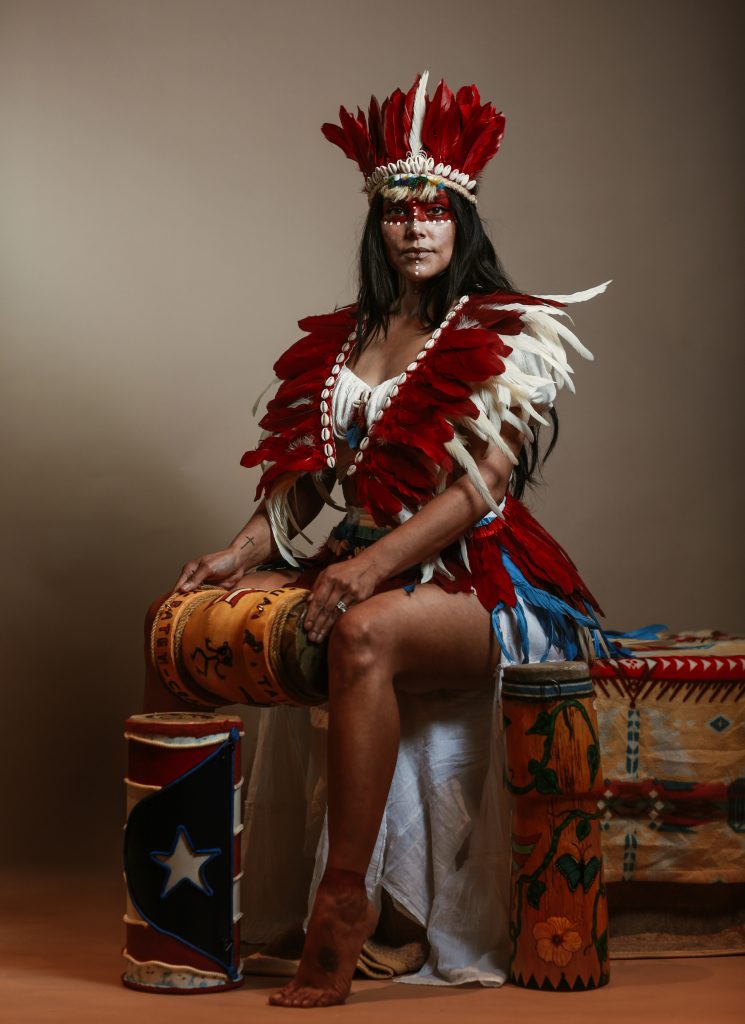
digital print
19 x 15 inches
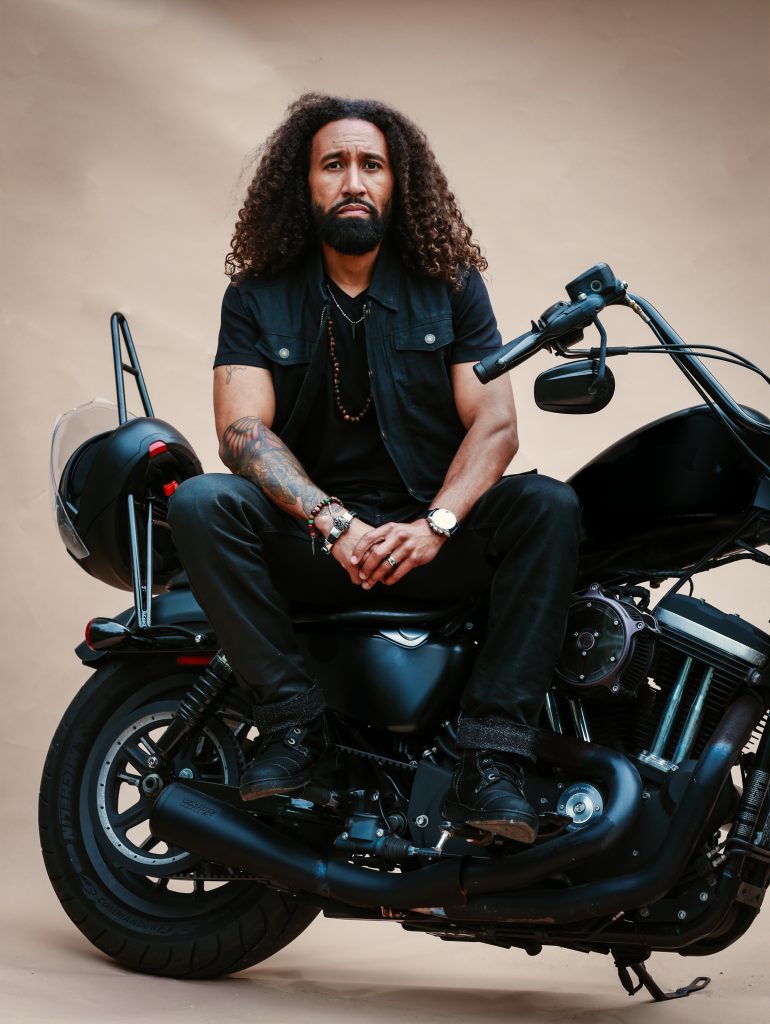
digital print
19 x 14 inches
About the Artist
Written by Gail Obenreder
From an early age, photographer André Wright Jr. grew up traveling the world. His parents were in the military, stationed in Germany, and so he was exposed to “different cultures, environments, and ways of life before I fully understood how rare that perspective was.” For Wright, “photography started as curiosity before it ever became a discipline,” and he used the camera as a way to understand “people, places, and moments” that he wanted to remember.
Over time, this curiosity “turned into intention,” and he began to study not the discipline’s technical aspects – light, composition, and narrative – but also its emotional impact. Wright attended the Brooks Institute of Photography in California, and after his studies he returned to the East Coast and secured an influential internship at Vibe Magazine. Working in the world of publications taught him “the realities of the industry,” but it also reaffirmed his discipline and creativity, values that had been instilled by his family.
When his father had retired from the military in 1994 the family relocated to Wilmington, and Wright has made the city his home base ever since. His work has allowed him to collaborate on national and international projects, but he made “a conscious decision to remain rooted in Delaware and invest my creative energy locally.” Thus, he’s been able to form “long-term relationships with the people I photograph,” as well as collaborations across disciplines.
At first, his early influences “weren’t photographers or filmmakers … they were storytellers, elders, musicians, and community leaders.” Watching and listening to them taught Wright that “storytelling isn’t just about what you show, but how you show up.” As his photographic work increased in scale and scope, Wright became “drawn to artists who documented culture with honesty and respect rather than spectacle,” something about which he remains passionate.
His current project is Indigenous Faces of Wilmington, a series that explores “the intersections of culture, identity, and memory.” In these portraits, Wright works to document “the presence and power of Native people living in Wilmington … who carry ancestral knowledge while navigating contemporary life.” He composes each portrait classically, in a traditional style but one that “challenges historical erasure.” And he presents his subjects elegantly, “not as relics of the past, but active, present, and deeply rooted in their communities.”
Hip-hop culture has shaped Wright’s visual language, and he is also inspired by the people with whom he works directly. Creatives who “continue to build despite limited resources… push me to stay honest and grounded.” Video and film director Hype Williams and photographer Gordon Parks have been central to how Wright approaches his work, influencing him by “their ability to create powerful imagery while remaining rooted in truth and cultural responsibility.”
Deeply interested in history, Wright spends copious amounts of time researching, listening to oral histories, and learning from elders. He takes seriously “the responsibility of representation,” challenged to balance creative vision with ethics and constantly asking “if I’m honoring the people and stories being shared.” So the greatest reward for Wright is “seeing people feel seen” – when someone recognizes themselves in one of his images and “feels respected.”
The Division’s Fellowship is “both an honor and an affirmation.” He plans to use the award to invest in long-form documentary work and experimental visual projects, and it will also allow him to “think bigger about exhibitions and community engagement.” Because the award recognizes his lifelong commitment to storytelling, Wright considers it “both an honor and an affirmation.”