

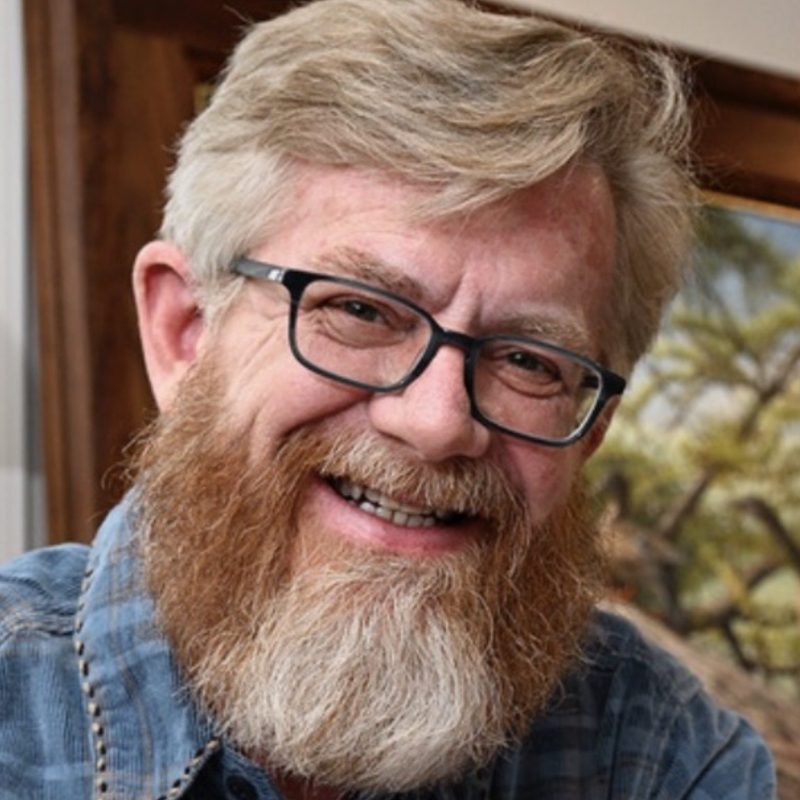
Alan B. Tuttle
Established
Visual Arts: Painting
Lewes
"I want my viewers to experience a particular moment in time just as I experienced it."
Work Samples
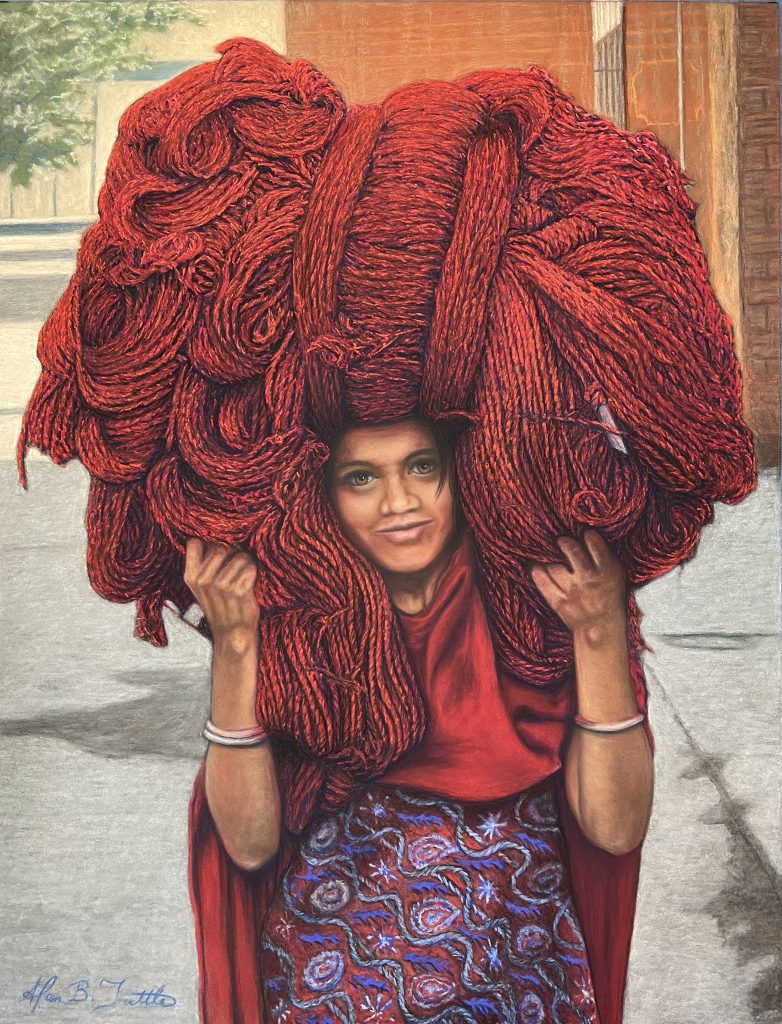
pastel on paper
29.5 x 22.5 inches
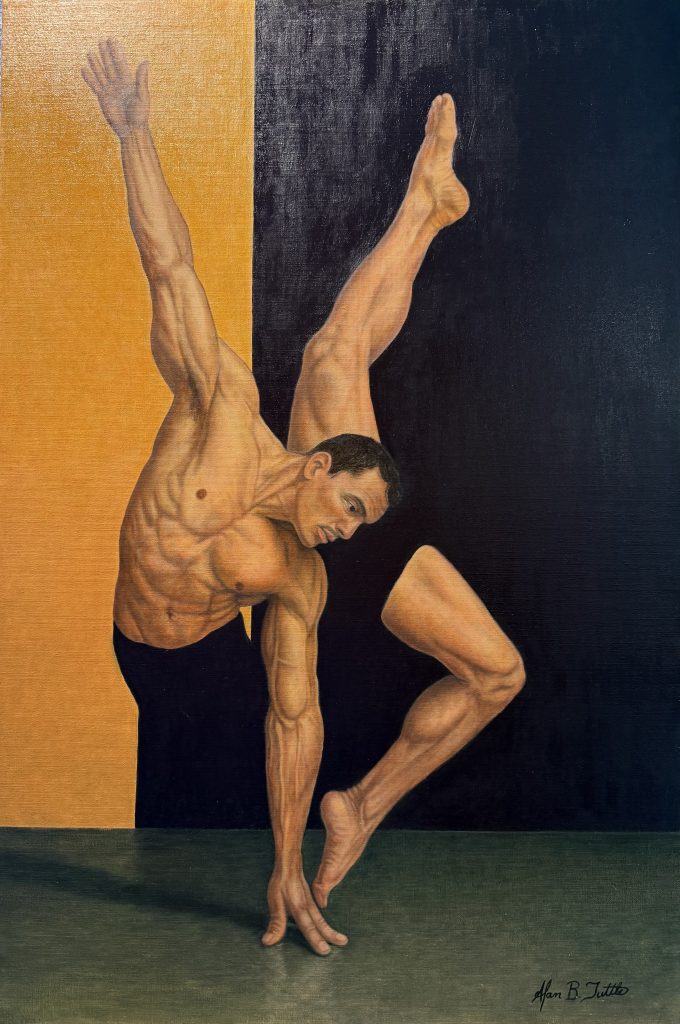
oil on linen
36 x 24 x .75 inches
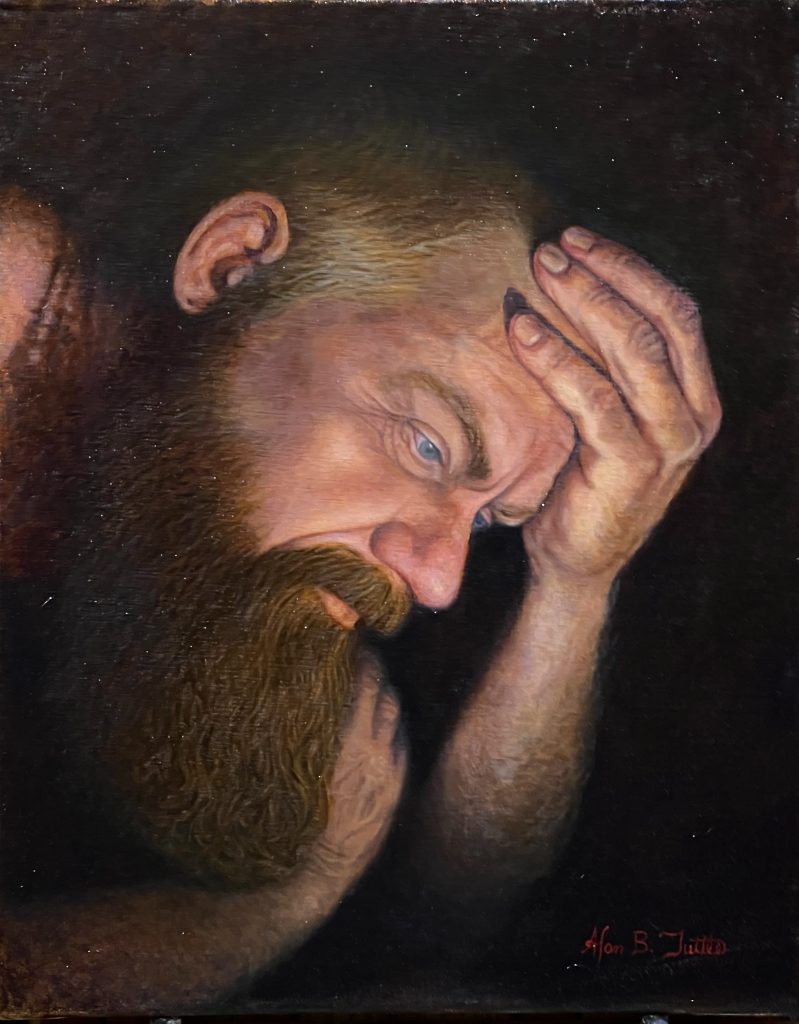
oil on linen
20 x 16 x .75 inches
About the Artist
Written by Gail Obenreder
Alan B. Tuttle has been encouraged in his creativity since childhood; “it has always been a part of my life.” But it was not until 1990 that art became his full-time focus, “shared between painting and sculpture.” Tuttle grew up in northern New York, between the Adirondack Mountains and the Thousand Islands, a very rural but beautiful area. He lived in California after his tour of duty in the Air Force as a cryptologic linguist, and he’s been a Delaware resident for eighteen years. But Tuttle has kept an 1827 stone house in New York state, which he bought and restored over a 30-year span, and that rural locale still informs his works.
A self-taught realist, Tuttle creates both figurative paintings (working with models) and landscapes. His plein air workdays “start before sunrise and end at sunset, with several days on location and many more in the studio.” He’s been actively painting since 1990, and his work has been seen in several solo exhibitions and 60 group shows. From his early twenties, Tuttle has also used his art to raise money for charity through over 100 Empty Bowl programs, and he has done dozens of school programs “encouraging writing and art” through The Domiciles Project. He acquired a degree in art education “to be better able to work with teachers” and fulfill his desire to teach.
“I don’t like to do pretty pictures.” Rather, Tuttle wants those who see his paintings to “experience a particular moment in time just as I experienced it.” He was a high school exchange student to Spain and spent “many days roaming the Prado and other museums in Madrid,” so it’s not surprising that he cites the “great [early] influence” of the Old Masters. Later he came to appreciate the Impressionists, but he has never adopted a particular style or genre. As a painter, Tuttle prefers to “have many tools in my toolbox and apply the right one to the piece before me.”
An avid traveler who has been to 56 countries “and counting,” Tuttle prefers to travel without an agenda, to “walk down back alleys [and] live with the locals.” And though he’s visited hundreds of museums, he now “tends to avoid them,” finding that if he sees something that is similar to “my thought or idea… I will abandon my own.”
Because he often paints vulnerable nude self-portraits to “share raw feelings about things I’m experiencing,” he is sometimes affected by censorship. Tuttle also feels that “every piece must have its challenge,” and this prerequisite for any work “going on an easel… is how I learn as a self-taught artist.” A physical disability sometimes makes working difficult, but he persists, and “I always have something to show for it in the end.”
Tuttle is rewarded by the tangible results of producing a painting, especially when a viewer’s experience matches his own or the person “travel[s] within the work to a new or past place in time.” He is also gratified when something he has created changes the way someone views the world around them – “micro to macro.”
As a painter, Tuttle has always “flown below the radar, preferring to create” rather than socialize or promote his work. “Humbled” by the recognition that the Division’s Fellowship has given him, he hopes that the award will enable him to hire more studio models for his figurative work, possibly develop a website, and allow him to travel and paint at more plein air locations throughout Delaware.